



Orphan Nuclear Receptor
Nuclear receptors consist of 48 transcription factors in humans. Of these, 10 are considered orphan nuclear receptors (ONRs) because the natural ligand has not yet been identified, while 26 are former orphans but are now labeled as adopted NRs after the discovery of their respective natural ligands. Although adopted NRs bind endogenous ligands, it remains unclear whether the NR function is ligand-regulated. The remaining 12 NRs employ endocrine hormones as endogenous ligands and are classified as endocrine NRs. Ligand binding to NRs typically induce a conformational change that enable binding of NRs to target DNA motifs across the genome called nuclear receptor response elements (NRREs) and recruitment of co-regulator proteins that modulate transcription of target genes. Because ONRs could potentially be ligand-regulated or druggable, they are attractive therapeutic targets using small molecule compounds. Orphan nuclear receptors provide a unique resource for uncovering novel regulatory systems that impact human health and also provide drug targets for a variety of human diseases. Ligands of nuclear receptors have been used in several important therapeutic areas, such as breast cancers, skin disorders and diabetes[1][2].
All Product Categories
-
Orphan Nuclear Receptor Related Products (43)
Related Products (43)

-
ML-180
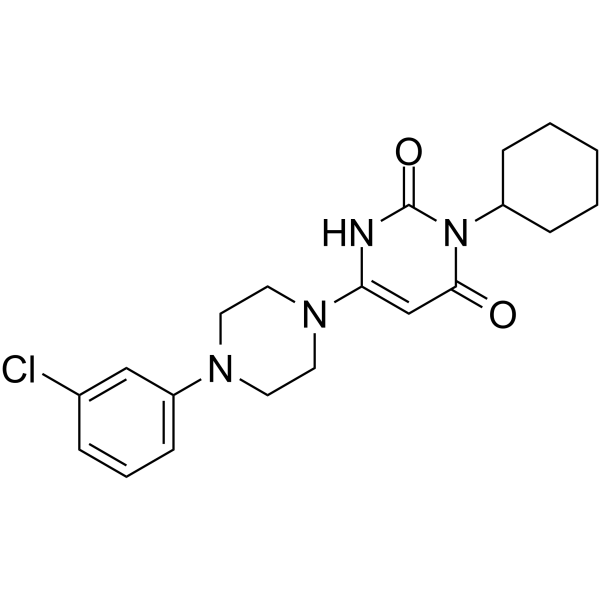 0 ImagesSynonyms: SR1848ML-180 (SR1848) is a potent orphan nuclear receptor liver receptor homolog 1 (LRH-1; NR5A2) inverse agonist with an IC50 of 3.7 μM. ML-180 is inactive for steroidogenic factor-1 (SF-1; NR5A1; IC50>10 μM). ML-180 has the potential for LRH-1-dependent cancers.
-
NR2F2-IN-1 free base
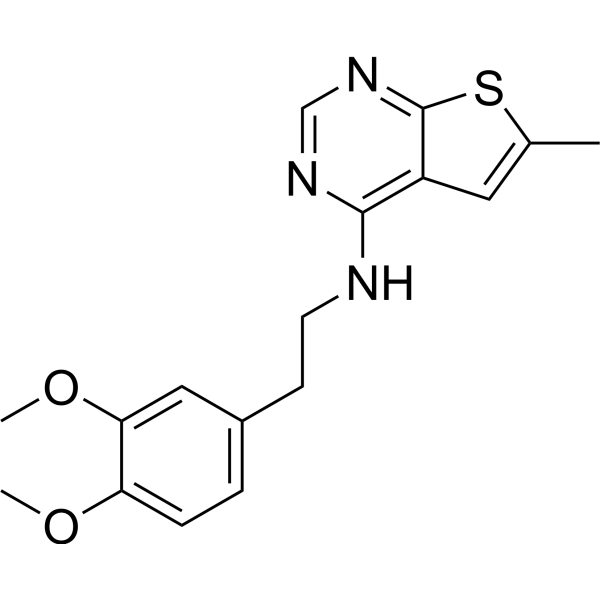 0 ImagesNR2F2-IN-1 (free base) is a COUP-TFII (orphan nuclear receptor NR2F2) inhibitor with antitumor activity against prostate cancer. NR2F2-IN-1 (free base) directly binds to the COUP-TFII ligand-binding domain and disrupts COUP-TFII interaction with transcription regulators including FOXA1. NR2F2-IN-1 (free base) can be used for the research of prostate cancer.
-
NR2F1 agonist 1
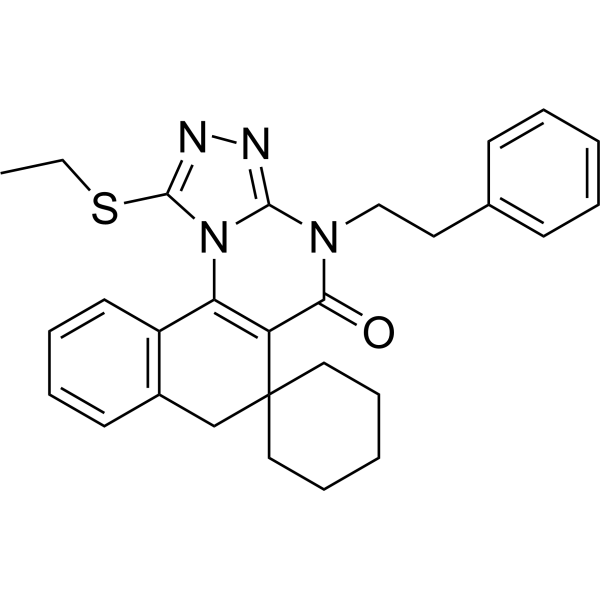 0 ImagesNR2F1 agonist 1, a nuclear receptor NR2F1 agonist, specifically activates dormancy programs in malignant cells. NR2F1 agonist 1 up-regulates NR2F1 and downstream target genes that regulate dormancy. NR2F1 agonist 1 induces neural crest-like and growth suppression in head and neck squamous cell carcinoma (HNSCC) via NR2F1 activation. NR2F1 agonist 1 inhibits tumor growth in a mouse primary tumor model.
-
Hexadecyl-CoA
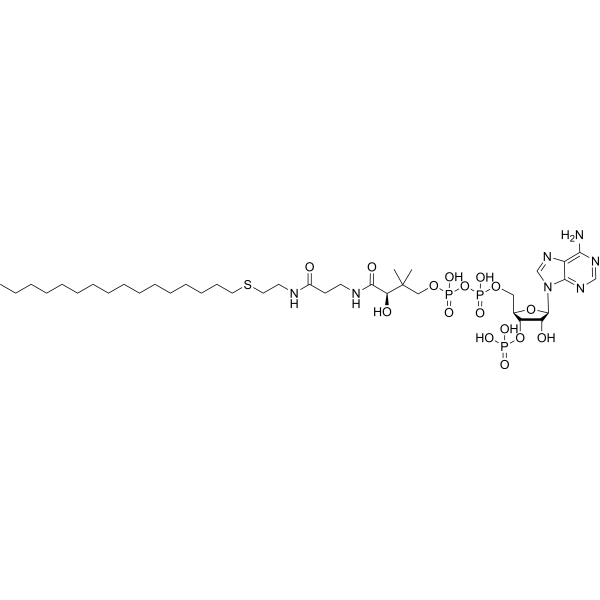 0 ImagesCat. No.: HY-E70277CAS No.: 71425-89-3Hexadecyl-CoA is a non-hydrolyzable thioether analog of Palmitoyl-CoA. Hexadecyl-CoA competitively inhibits the acyl-CoA thioesterase activity of HNF-4α with a Ki of 0.3 μM, and inhibits DGAT2 activity with an IC50 of approximately 2 μM. Hexadecyl-CoA also inhibits ATGL activity and serves as a reference inhibitor for DGAT2 LC/MS enzyme activity assays. Hexadecyl-CoA can be used in studies related to lipid metabolism, triglyceride synthesis and lipolysis.
-
(Z)-GW 441756
 0 ImagesCat. No.: HY-18314BCAS No.: 504433-24-3(Z)-GW 441756 is a hepatocyte nuclear factor 4α (HNF4α) activator, with an EC50 of 9.2 μM and a Ka of 4.6 μM in human systems. (Z)-GW 441756 directly interacts with the ligand-binding domain of HNF4α via persistent hydrogen bonds and hydrophobic interactions within the binding pocket. (Z)-GW 441756 reduces the accumulation of triglycerides and total cholesterol. (Z)-GW 441756 inhibits ferroptosis through a non-antioxidant mechanism. (Z)-GW 441756 decreases plasma triglyceride and total cholesterol levels in animal models of hyperlipidemia. (Z)-GW 441756 can be used in studies related to hyperlipidemia.
-
SID 7969543
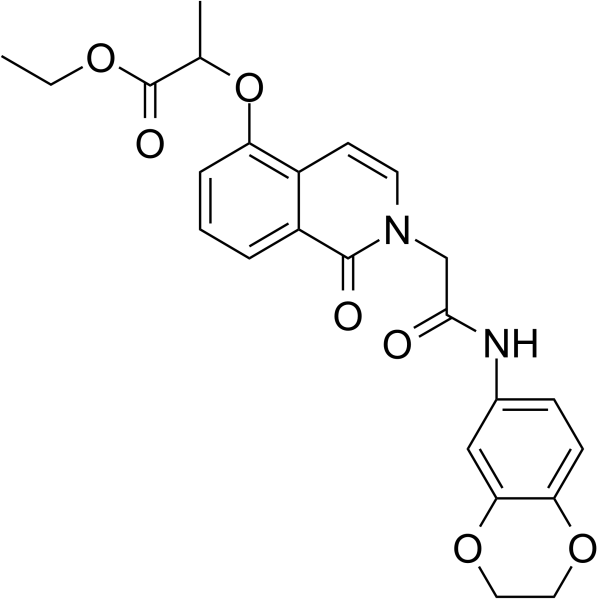 0 ImagesSID 7969543 is a selective SF-1 (steroidogenic factor 1, NR5A1) inhibitor with an IC50 of 760 nM. SID 7969543 inhibits SF-1-triggered luciferase expression with IC50 of 30 nM. SF-1 is a transcription factor belonging to the nuclear receptor superfamily.

-
LRH-1 agonist-2
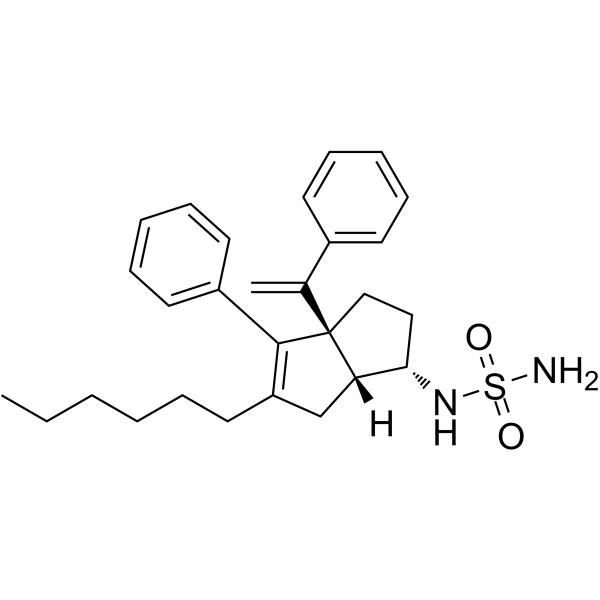 0 ImagesLRH-1 agonist-2 (Compound 6N) is a selective, full LRH-1 agonist with an EC50 of 15.7 nM. LRH-1 agonist-2 directly interacts with the Thr352 and His390 residues in the LRH-1 binding pocket, promotes allosteric signaling to the activation function surface (AFS), stabilizes the AFS and enhances coactivator recruitment. LRH-1 agonist-2 induces the anti-inflammatory cytokine IL-10, and reduces the pro-inflammatory cytokines IL-1β and TNFα. LRH-1 modulator-1 exerts anti-inflammatory effects in intestinal organoids. LRH-1 modulator-1 can be used in studies related to inflammatory bowel disease.
-
NR2F6 modulator-1
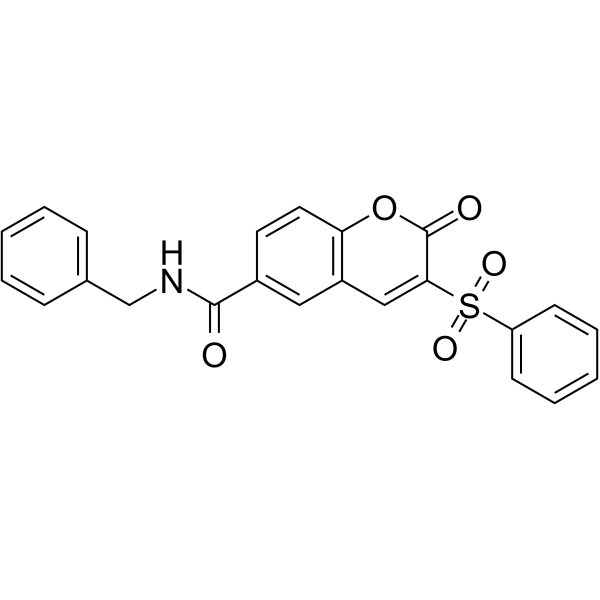 0 ImagesNR2F6 modulator-1 is a NR2F6 modulator. NR2F6 modulator-1 is applicable for immunoregulation and tumor research.
-
RR-RJW100
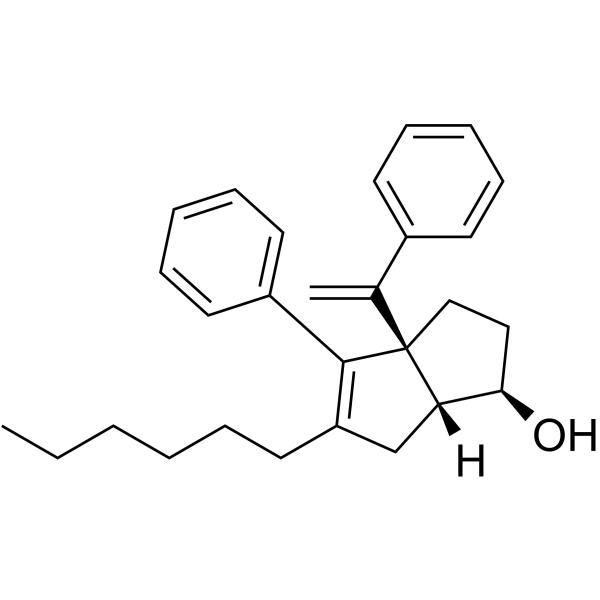 0 ImagesRR-RJW100, the enantiomer of RJW100, is an nuclear receptor liver receptor homolog 1 (LRH-1) and steroidogenic factor 1 (SF-1) agonist. RJW100 can be synthesized as two enantiomers, RR-RJW100 and SS-RJW100, with RR-RJW100 shown to be the more potent LRH-1 agonist. RR-RJW100 is involved in the regulation of metabolic homeostasis and is used in studies of diabetes, liver disease and inflammatory bowel disease.
-
7-[4-(2-Piperidinyl)ethoxy]benzoyl Raloxifene
![7-[4-(2-Piperidinyl)ethoxy]benzoyl Raloxifene](https://file.medchemexpress.com/product_pic/hy-135589.gif "Click to View 7-[4-(2-Piperidinyl)ethoxy]benzoyl Raloxifene Product Detail") 0 Images7-[4-(2-Piperidinyl)ethoxy]benzoyl Raloxifene is a liver receptor homolog-1 (LRH-1) antagonist with an IC50 of 3.1 μM.
0 Images7-[4-(2-Piperidinyl)ethoxy]benzoyl Raloxifene is a liver receptor homolog-1 (LRH-1) antagonist with an IC50 of 3.1 μM.
-
TLX agonist 1
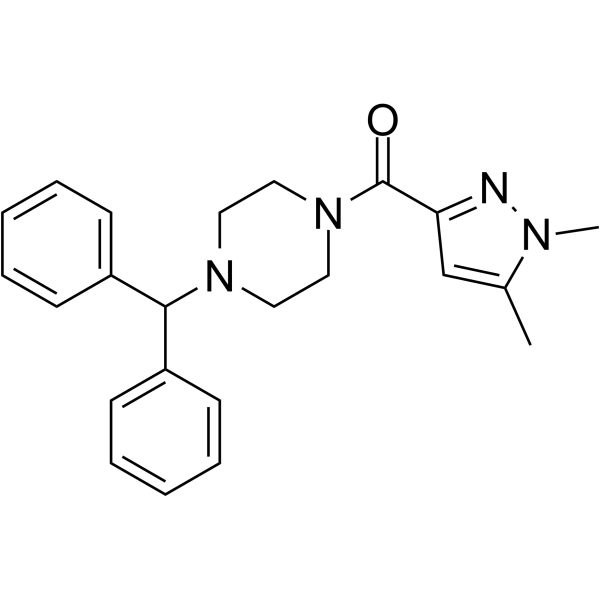 0 ImagesTLX agonist 1 (ccrp2) is an orphan nuclear receptor tailless (TLX, NR2E1) modulator (EC50=1μM; Kd= 650 nM). TLX agonist 1 potentiates TLX transcriptional repressive activity.
-
RJW103 TFA
 0 ImagesCat. No.: HY-134462ARJW103 TFA is an acid-stable SF-1 (NR5A1) and LRH-1 agonist with pEC50 values of 6.5 and 5.9, respectively. RJW103 TFA activates SF-1- and LRH-1-mediated transcription of endogenous target genes. RJW103 TFA can be used in research on cancer, endocrinology and metabolic diseases, such as adrenocortical tumors.
-
NR2F6 modulator-2
 0 ImagesNR2F6 modulator-2 (Compound I) is an autorepressed orphan nuclear receptor NR2F6 (Nuclear Receptor subfamily 2 group F member 6) modulator. NR2F6 modulator-2 can inhibits the recruitment of the bio-NSD1 peptide with an IC50 of 2.0 equivalents of NR2F6. NR2F6 modulator-2 can be used for the researches of cancer and immunology.
-
DHQZ-17
 0 ImagesDHQZ-17 is a HNF4A inhibitor. DHQZ-17 triggers apoptosis in head and neck squamous cell carcinoma cells. DHQZ-17 can be used for the research of head & neck squamous cell carcinoma.
-
RJW103
 0 ImagesRJW103 is an acid-stable SF-1 (NR5A1) and LRH-1 agonist with pEC50 values of 6.5 and 5.9, respectively. RJW103 activates SF-1- and LRH-1-mediated transcription of endogenous target genes. RJW103 can be used in research on cancer, endocrinology and metabolic diseases, such as adrenocortical tumors.
-
LRH-1 Inhibitor-3
 0 ImagesLRH-1 Inhibitor-3 is a small molecule that inhibits LRH-1 transcriptional activity, thereby decreasing the expression of target genes associated with cell growth and proliferation. LRH-1 Inhibitor-3 has shown potential in reducing cancer cell proliferation in human pancreatic, colon, and breast adenocarcinoma cell lines. LRH-1 Inhibitor-3 serves as a molecular probe for investigating the role of LRH-1 in various malignancies.
-
NR2E3 agonist 1
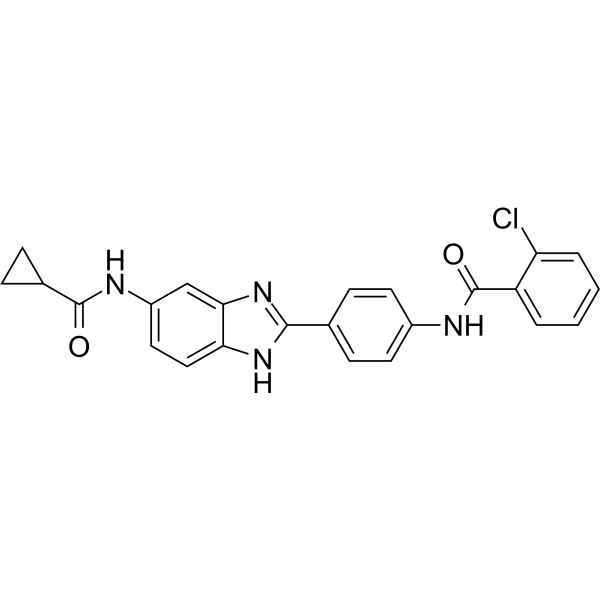 0 ImagesNR2E3 agonist 1 (Compound 11a) is a small molecule agonist of the photoreceptor-specific nuclear receptor (NR2E3) with an EC50 value of less than 200 nM. NR2E3 agonist 1 can be used in retinitis pigmentosa research.



